
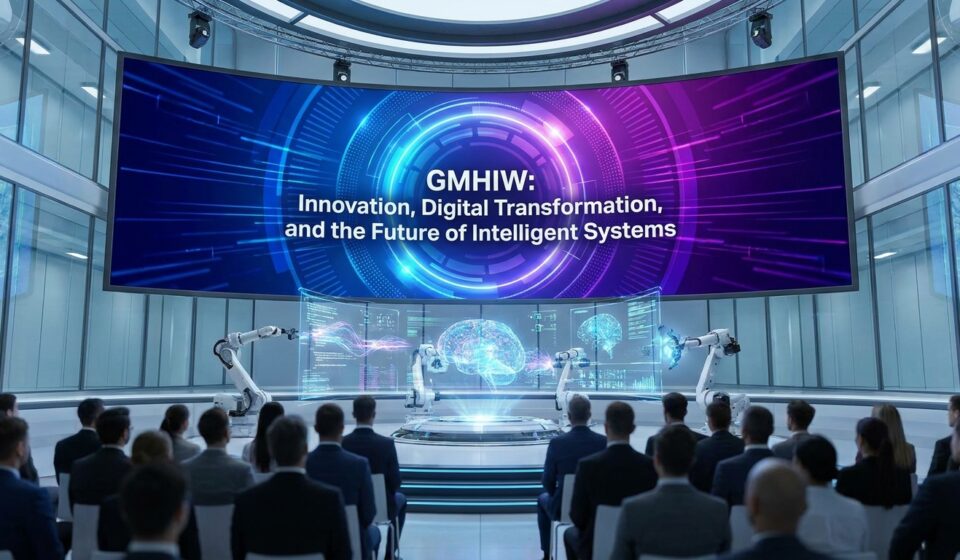

GMHIW represents a modern concept connected to technological advancement, intelligent systems, digital integration, and evolving innovation strategies. In today’s rapidly changing world, unique digital identities and adaptable frameworks play a major role in shaping industries, communication systems, and modern business operations. GMHIW reflects this transition toward scalable and future-focused ecosystems capable of supporting both technological efficiency and creative evolution.
As organizations continue adopting automation, artificial intelligence, cloud infrastructure, and advanced analytics, the importance of flexible and integrated systems has increased significantly. GMHIW symbolizes this shift by representing innovation, operational adaptability, and intelligent digital architecture designed for modern environments.
The growth of digital ecosystems has changed how businesses, creators, and consumers interact with information and technology. Modern systems must provide seamless connectivity, strong performance, and user-centered experiences while remaining secure and scalable. GMHIW aligns with these expectations by reflecting a concept built around modernization, efficiency, and long-term technological relevance.
Whether viewed as a digital framework, technology-driven identity, operational system, or innovative ecosystem, GMHIW captures the broader direction of modern digital transformation and interconnected infrastructure.
Understanding the Meaning of GMHIW
Distinctive naming structures have become increasingly important in the digital era because they help concepts and systems stand out in highly competitive global markets. GMHIW reflects a contemporary approach to identity creation where uniqueness, memorability, and flexibility contribute to long-term recognition.
Modern digital concepts are often designed to remain adaptable across multiple industries and applications. GMHIW fits within this pattern by representing a versatile identity capable of functioning within technology, business, innovation, and digital communication environments.
The structure of GMHIW gives it a futuristic and technical character, which aligns naturally with themes of digital infrastructure and intelligent systems. Contemporary naming conventions frequently emphasize originality because modern organizations seek identities capable of supporting innovation and global visibility.
Identity in modern digital culture extends beyond visual branding alone. Names and concepts increasingly represent ecosystems, experiences, and values associated with adaptability, efficiency, and technological progress. GMHIW reflects these broader characteristics by symbolizing modern digital transformation and operational intelligence.
GMHIW and Modern Digital Transformation
Digital transformation has become one of the defining developments of the modern technological era. Organizations across industries are restructuring operations through automation, cloud computing, artificial intelligence, and integrated digital platforms.
GMHIW reflects this transformation by symbolizing systems capable of supporting intelligent operations and scalable digital infrastructure. Traditional business environments that once relied on isolated systems now require interconnected ecosystems capable of managing communication, analytics, and operational workflows in real time.
Cloud technology has played a major role in this transition. Organizations increasingly depend on cloud infrastructure for flexibility, remote accessibility, and efficient resource management. Cloud-based systems allow teams to collaborate effectively across locations while maintaining operational continuity.
Artificial intelligence has further accelerated digital transformation by enabling predictive analytics, automation, and intelligent decision-making. AI-driven systems improve efficiency by analyzing data patterns and reducing manual workloads.
The rise of interconnected digital ecosystems has also increased the importance of operational flexibility. Businesses must adapt quickly to changing market conditions and technological advancements. GMHIW represents this adaptability within modern digital environments focused on innovation and scalability.
Technological Foundations Associated with GMHIW
Modern digital ecosystems rely on advanced technologies working together to create intelligent and efficient operational environments. GMHIW can be understood as a concept supported by scalable infrastructure and integrated technological systems.
Artificial intelligence forms one of the most influential components of modern innovation. AI systems enable automation, predictive analytics, and enhanced personalization across industries ranging from healthcare and finance to retail and manufacturing.
Machine learning technologies further improve operational efficiency by allowing systems to adapt and optimize performance based on data analysis and user behavior patterns.
Cloud computing remains another essential technological foundation. Organizations rely on distributed cloud environments to improve accessibility, scalability, and collaboration while reducing infrastructure limitations.
The Internet of Things has expanded connectivity between devices and systems. Smart technologies now communicate in real time to support automation, monitoring, and operational optimization.
Cybersecurity also plays a critical role within modern digital ecosystems. Organizations handling sensitive information prioritize encryption, secure authentication systems, and threat monitoring to maintain trust and operational reliability.
GMHIW reflects the integration of these technologies within intelligent and future-oriented digital environments.
User Experience and Intelligent Interaction
User experience has become one of the most important aspects of modern technology adoption. Systems that provide intuitive interaction and responsive performance are more likely to maintain engagement and long-term user satisfaction.
GMHIW symbolizes the importance of balancing advanced functionality with accessibility and simplicity. Modern users expect digital platforms capable of operating efficiently across multiple devices and environments.
Responsive design contributes significantly to usability by ensuring consistent interaction on smartphones, tablets, desktops, and connected systems. Organizations increasingly prioritize adaptable interfaces that improve accessibility and convenience.
Performance optimization also influences user satisfaction. Fast-loading systems, efficient navigation, and stable functionality create smoother interactions and improve operational productivity.
Personalization has become another major expectation within digital environments. Artificial intelligence and analytics enable systems to adapt content and services according to individual preferences and behavior patterns.
Accessibility remains equally important in modern digital development. Inclusive systems support broader audience engagement while ensuring that users with varying abilities can interact comfortably with digital platforms.
GMHIW reflects these evolving priorities within intelligent and user-centered digital ecosystems.
GMHIW and Business Innovation
Modern businesses operate in highly dynamic environments shaped by technological advancement, globalization, and evolving consumer expectations. Organizations increasingly seek innovative systems capable of improving productivity, communication, and scalability.
GMHIW aligns with these goals by representing adaptable operational frameworks designed for modern enterprise environments. Businesses adopting integrated digital systems often improve workflow coordination, data accessibility, and strategic planning capabilities.
Automation continues transforming operational efficiency across industries. Intelligent systems reduce repetitive tasks while improving speed and accuracy within complex workflows.
Data analytics has become central to strategic business decision-making. Organizations rely heavily on real-time information to identify trends, optimize operations, and understand customer behavior.
Collaboration technologies have also expanded significantly. Remote communication platforms and cloud-based tools support global teamwork and flexible work environments.
Innovation-driven organizations increasingly prioritize agility and adaptability because rapid technological change requires continuous evolution. GMHIW symbolizes this modern business approach focused on intelligent integration and scalable growth.
Digital Branding and Global Identity
Digital branding has evolved into a complex combination of visual identity, communication strategy, user engagement, and technological presence. Modern brands must establish recognition across websites, social platforms, mobile applications, and digital ecosystems.
GMHIW reflects the importance of unique and memorable identity structures within contemporary branding strategies. Distinctive concepts help organizations differentiate themselves while supporting long-term visibility and audience engagement.
Globalization has increased the need for adaptable branding capable of functioning across multiple cultures and markets. Names and concepts that are visually and phonetically distinctive often achieve stronger international recognition.
Authenticity and consistency remain essential for effective branding. Modern audiences increasingly value organizations that maintain transparent communication and reliable digital experiences.
Creative storytelling also contributes significantly to modern branding success. Businesses use immersive content, interactive media, and personalized experiences to build emotional connections with audiences.
GMHIW aligns with these branding principles by symbolizing innovation, technological sophistication, and future-focused identity development.
Security and Reliability in GMHIW Systems
As digital infrastructure expands, security and reliability become increasingly essential. Organizations and users expect systems capable of protecting information while maintaining stable and efficient performance.
GMHIW reflects the importance of secure digital architecture within modern operational environments. Cybersecurity frameworks now incorporate multiple layers of protection including encryption, secure authentication, and continuous monitoring systems.
Data privacy has become a major concern in digital ecosystems. Organizations must manage information responsibly while complying with evolving regulations and ethical standards.
Reliability extends beyond security alone. Businesses require systems capable of supporting continuous operation with minimal downtime or disruption.
Scalable infrastructure and cloud redundancy improve operational resilience by ensuring that systems remain functional during periods of increased demand or technical challenges.
Trust remains closely connected to both security and reliability. Organizations maintaining stable and secure digital environments are more likely to establish long-term user confidence and market credibility.
Future Potential of GMHIW
The future of intelligent digital ecosystems will continue evolving through advancements in artificial intelligence, immersive technologies, automation, and decentralized systems. GMHIW reflects a concept positioned within this future-focused technological landscape.
Artificial intelligence is expected to become increasingly autonomous and adaptive. Future systems may predict user needs, optimize operations in real time, and provide highly personalized experiences across industries.
Immersive technologies such as virtual reality and augmented reality are likely to influence communication, training, education, and entertainment by creating interactive digital environments.
Blockchain technology may also contribute to future digital ecosystems by improving transparency, security, and decentralized information management.
Sustainability will become increasingly important in technological development. Organizations are prioritizing energy-efficient infrastructure and environmentally responsible digital operations.
Global connectivity will continue expanding opportunities for collaboration and innovation. Businesses capable of adapting to interconnected digital markets will likely maintain stronger long-term competitiveness.
GMHIW symbolizes this evolving future where technology, creativity, and intelligent integration shape the next generation of digital experiences.
Conclusion
GMHIW represents a modern concept shaped by innovation, intelligent systems, digital transformation, and technological adaptability. As industries continue evolving through automation, cloud computing, and advanced analytics, integrated and scalable digital environments become increasingly important.
The growing reliance on connected infrastructure, artificial intelligence, and user-centered design reflects the broader transformation of modern technology ecosystems. GMHIW aligns with these developments by symbolizing flexibility, operational intelligence, and future-oriented innovation.
Whether interpreted as a technological framework, digital identity, operational ecosystem, or innovation-driven concept, GMHIW reflects the ongoing evolution of modern digital culture and enterprise transformation. As technology continues advancing, concepts built around scalability, adaptability, and intelligent integration will remain central to the future of global digital innovation.