
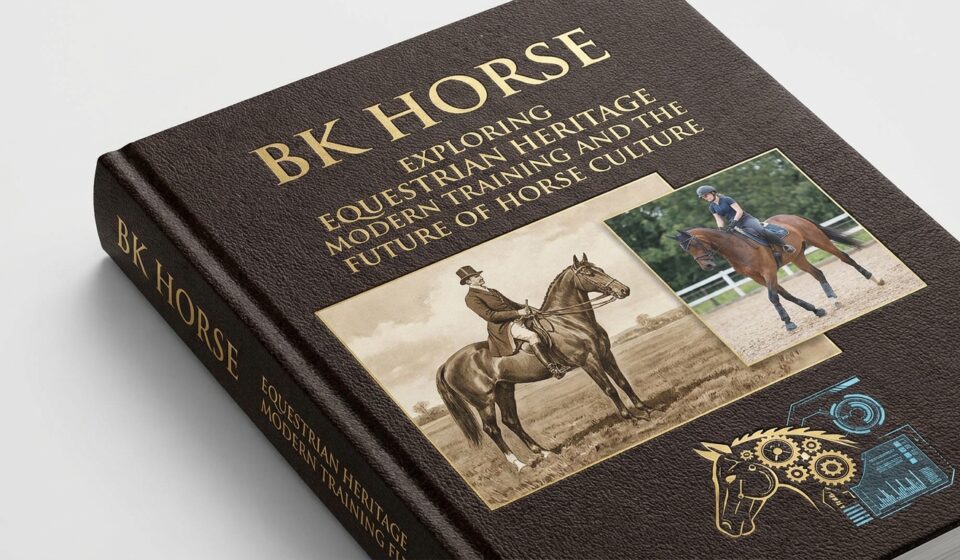

BK Horse can be understood as a modern conceptual identity connected to equestrian culture, horse care, riding traditions, and the evolving relationship between humans and horses. Throughout history, horses have played an essential role in transportation, agriculture, warfare, sport, and companionship. Even in today’s technology-driven world, they continue to hold cultural, emotional, and athletic significance.
The idea of BK Horse reflects this ongoing importance by symbolizing strength, discipline, harmony, and progress within the equestrian world. It can represent a stable, a training philosophy, a brand identity, or even a broader conceptual system linked to horse riding and care.
This article explores BK Horse through multiple lenses including history, training, care practices, modern sports, digital transformation, and future innovations in the equestrian world.
Historical Significance of Horses
Horses have been central to human civilization for thousands of years. Early societies relied on them for travel, trade, farming, and communication. Their speed and endurance made them indispensable in shaping ancient economies and cultures.
In warfare, horses were considered symbols of power and strategy. Cavalry units played major roles in battles across different civilizations, from ancient empires to medieval kingdoms. Ownership of horses often indicated social status and wealth.
As industrialization progressed, mechanical transport replaced many traditional uses of horses. However, their cultural importance never disappeared. Instead, horses transitioned into roles in sport, recreation, therapy, and heritage preservation.
BK Horse reflects this historical continuity by representing both tradition and modern adaptation within equestrian culture.
BK Horse as an Equestrian Concept
BK Horse can be viewed as a conceptual framework representing structured equestrian values such as discipline, training excellence, and horse-human partnership.
In modern usage, such a concept could represent a stable system, training program, riding academy, or even a digital platform dedicated to equestrian education and horse care.
The idea emphasizes balance between physical skill and emotional understanding. Successful horsemanship depends not only on riding ability but also on communication, trust, and respect between horse and rider.
BK Horse symbolizes this integrated approach to equestrian development.
Horse Training and Development
Training is one of the most important aspects of equestrian practice. It requires patience, consistency, and a deep understanding of animal behavior.
Modern training methods focus on positive reinforcement and trust-building techniques rather than force-based approaches. Horses respond best to calm, consistent communication and structured routines.
Training typically begins with groundwork, where horses learn basic commands, movement control, and trust-building exercises. This foundation is essential before progressing to riding and advanced techniques.
Different disciplines such as dressage, show jumping, and endurance riding require specialized training methods. Each discipline emphasizes unique physical and mental skills.
BK Horse reflects the importance of structured training systems that prioritize both performance and well-being.
Horse Care and Welfare
Proper horse care is essential for maintaining health, performance, and emotional stability. It includes nutrition, grooming, medical care, and environmental management.
A balanced diet is crucial for energy and muscle development. Horses typically consume hay, grains, minerals, and fresh water tailored to their activity levels.
Grooming supports hygiene and strengthens the bond between horse and caretaker. It also allows early detection of injuries or health issues.
Veterinary care plays a vital role in maintaining long-term health through vaccinations, dental care, hoof maintenance, and injury prevention.
Mental well-being is equally important. Horses require social interaction, exercise, and a stress-free environment to thrive.
BK Horse represents this holistic approach to equine welfare and responsible care.
Equestrian Sports and Competition
Equestrian sports are among the most respected athletic disciplines worldwide. They require precision, coordination, and deep trust between horse and rider.
Popular disciplines include show jumping, dressage, eventing, and endurance riding. Each discipline tests different aspects of skill, stamina, and communication.
Show jumping focuses on agility and timing, while dressage emphasizes elegance and controlled movement. Eventing combines multiple challenges, and endurance riding tests long-distance stamina.
These sports highlight the athletic capabilities of both horses and riders, making equestrian competition a unique partnership-based sport.
BK Horse symbolizes excellence, discipline, and performance within this competitive environment.
Emotional Bond Between Humans and Horses
One of the most remarkable aspects of equestrian culture is the emotional connection between humans and horses. Horses are highly sensitive animals capable of responding to human emotions, tone, and body language.
This connection often leads to strong bonds built on trust and mutual respect. Riders frequently describe horses as intuitive companions rather than simple animals.
Equine-assisted therapy also demonstrates the emotional benefits of horse interaction. It is used to support mental health, emotional development, and physical rehabilitation.
This therapeutic relationship highlights the deep psychological impact horses can have on human well-being.
BK Horse reflects this emotional dimension of horsemanship as a core value.
Modern Technology in Equestrian Systems
Technology is increasingly influencing the equestrian world. Smart monitoring systems, wearable devices, and digital training tools are transforming horse care and management.
Sensors can track horse health metrics such as heart rate, movement patterns, and stress levels. This data helps trainers and veterinarians make informed decisions.
Stable management systems now use automation for feeding, cleaning, and environmental control. These innovations improve efficiency and animal welfare.
Digital platforms also allow riders and trainers to connect globally, share knowledge, and participate in online learning.
BK Horse represents this integration of tradition with modern technological advancement.
Sustainability in Equestrian Practices
Sustainability is becoming increasingly important in horse management and equestrian facilities. Responsible land use, waste management, and eco-friendly materials are now key considerations.
Many stables are adopting renewable energy systems and environmentally friendly feeding practices. Pasture rotation and soil conservation also help maintain ecological balance.
Sustainable equestrian practices ensure long-term viability while reducing environmental impact.
BK Horse aligns with these modern sustainability values by emphasizing responsible and ethical horse management.
BK Horse in Digital Culture
Digital culture has expanded how equestrian knowledge and communities operate. Social media, online training platforms, and virtual events have made horse culture more accessible worldwide.
Riders and trainers can now share experiences, training tips, and competition highlights instantly with global audiences.
Virtual simulations and educational tools also help beginners learn riding fundamentals in safe environments before working with real horses.
BK Horse can represent a digital identity or platform within this growing online equestrian ecosystem.
Future of Equestrian Innovation
The future of equestrian culture will likely involve deeper integration of technology, science, and tradition.
Artificial intelligence may assist in training analysis and injury prevention. Virtual reality could offer immersive riding simulations. Genetic research may improve breeding practices and horse health management.
Despite technological advancements, the core values of horsemanship—trust, patience, and respect—will remain unchanged.
BK Horse symbolizes this future where innovation and tradition coexist harmoniously.
Conclusion
BK Horse represents a conceptual vision of equestrian culture that combines history, training, care, sports, and modern innovation. Horses have always played a vital role in human development, and their significance continues today in sport, therapy, and companionship.
By integrating traditional horsemanship with modern technology and sustainability practices, BK Horse reflects the evolving relationship between humans and horses.