
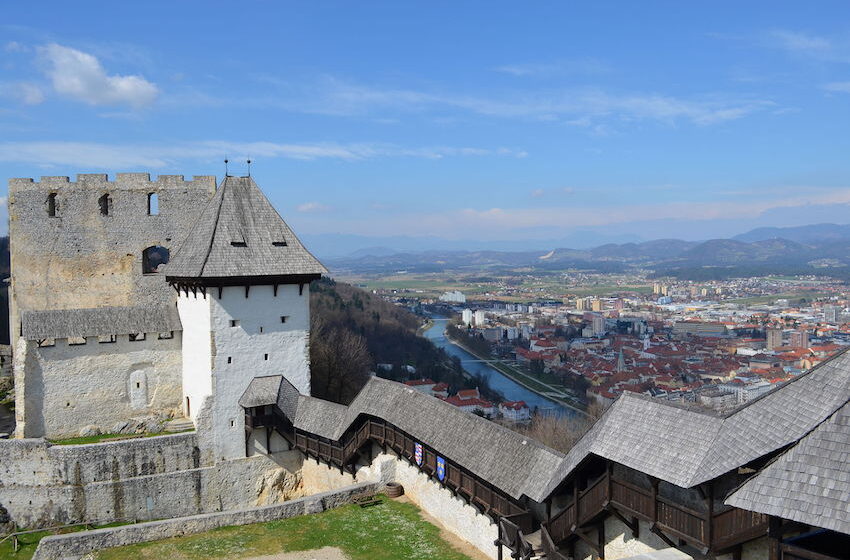

Jablje is a place name most commonly associated with cultural and historical heritage in Central Europe, particularly in Slovenia, where it is linked to the area surrounding Jablje Castle. Over time, the name Jablje has become connected with regional history, architectural heritage, and the broader cultural landscape of the region. It represents more than just a geographic location; it reflects centuries of historical development, social change, and cultural identity.
Understanding Jablje involves exploring its historical roots, architectural importance, and its role in preserving cultural memory. It stands as an example of how local places contribute to national heritage and collective identity.
Historical Background of Jablje
The history of Jablje is closely tied to the development of settlements and noble estates in the region. Like many European localities, its origins can be traced back to medieval times when land ownership and feudal systems shaped the structure of society.
Jablje Castle, one of the most notable landmarks associated with the name, has played an important role in regional history. Over centuries, it changed ownership and function, reflecting broader political and social transformations in the area.
The historical significance of Jablje lies in its continuity as a site of human settlement and cultural activity.
Jablje Castle and Architectural Heritage
Jablje Castle is the most recognizable feature associated with the name. The structure represents traditional European castle architecture, with modifications and restorations reflecting different historical periods.
Castles like Jablje were originally built for defense and administration, but over time, many were transformed into residential estates or cultural institutions. The architectural design often includes elements such as fortified walls, courtyards, towers, and decorative interiors.
Today, Jablje Castle serves as a symbol of cultural preservation and architectural heritage, attracting interest from historians, tourists, and cultural organizations.
Cultural Importance of Jablje
Jablje holds cultural value beyond its physical structures. It represents the historical identity of the surrounding region and contributes to the preservation of local traditions and heritage.
Cultural sites like Jablje often serve as venues for events, exhibitions, and educational programs that promote awareness of regional history.
This connection between place and culture highlights the importance of preserving historical locations for future generations.
Role in Regional Identity
Places like Jablje play a significant role in shaping regional identity. They serve as physical reminders of shared history and cultural continuity.
For local communities, such sites often represent pride, belonging, and historical awareness. They help connect modern populations with their historical roots.
Jablje contributes to this sense of identity by preserving architectural and cultural landmarks that reflect the region’s past.
Preservation and Restoration Efforts
Historical sites require ongoing preservation to maintain their structural integrity and cultural value. Restoration efforts often involve repairing architectural damage, conserving original materials, and adapting buildings for modern use.
In the case of Jablje, preservation initiatives aim to protect its historical and architectural significance while making it accessible for cultural and educational purposes.
Such efforts ensure that heritage sites remain relevant in contemporary society.
Tourism and Educational Value
Heritage sites like Jablje often attract tourists interested in history, architecture, and culture. Tourism contributes to local economies while also raising awareness of historical preservation.
Educational programs hosted at such sites provide valuable learning experiences for students, researchers, and visitors.
Jablje serves as an example of how historical locations can function as both cultural landmarks and educational resources.
Architecture and Historical Design Elements
The architectural features of Jablje reflect traditional European design principles. These may include symmetrical layouts, stone construction, decorative facades, and historical interior designs.
Each architectural element tells a story about the period in which it was built or renovated.
Studying Jab-lje provides insight into historical construction methods and artistic influences that shaped the region.
Transformation Over Time
Like many historical sites, Jablje has transformed over time. Changes in ownership, political systems, and cultural priorities have influenced its structure and use.
From a defensive estate to a cultural landmark, its evolution reflects broader historical trends in European history.
This transformation highlights the adaptability of historical sites in changing social contexts.
Connection to Nature and Landscape
Jab-lje is often surrounded by natural landscapes that contribute to its aesthetic and historical significance. The relationship between architecture and nature is an important aspect of heritage sites.
Gardens, forests, and rural surroundings enhance the visual and cultural experience of such locations.
This integration of natural and built environments adds to the overall value of Jablje as a cultural site.
Conservation Challenges
Preserving historical sites like Jab-lje comes with challenges such as environmental wear, limited funding, and the need for modern infrastructure integration.
Balancing preservation with accessibility requires careful planning and expertise.
Despite these challenges, ongoing conservation efforts are essential for maintaining cultural heritage.
Modern Use of Heritage Sites
Many historical sites are adapted for modern use while preserving their original character. They may serve as museums, cultural centers, event venues, or research facilities.
Jablje demonstrates how heritage locations can remain active parts of contemporary society.
This adaptive reuse ensures that historical sites continue to serve meaningful roles.
Importance of Historical Awareness
Understanding places like Jablje encourages greater appreciation of history and cultural development. It helps individuals recognize the value of preserving heritage for future generations.
Historical awareness also strengthens cultural identity and promotes respect for shared traditions.
Jablje stands as a reminder of the importance of maintaining connections to the past.
Future of Heritage Preservation
The future of heritage preservation will likely involve advanced technologies such as digital archiving, 3D modeling, and virtual reality experiences.
These tools can help document and share historical sites with a wider audience while preserving their physical integrity.
Jablje represents the type of cultural site that can benefit from such modern preservation methods.
Conclusion
Jablje is more than just a geographical name; it represents a rich combination of history, architecture, and cultural identity. Through its association with historical structures like Jab-lje Castle, it reflects centuries of social and cultural development.
As a heritage site, it plays an important role in preserving regional identity, educating visitors, and maintaining historical continuity.
The continued preservation and appreciation of Jablje ensure that its cultural and historical significance remains relevant for future generations.