
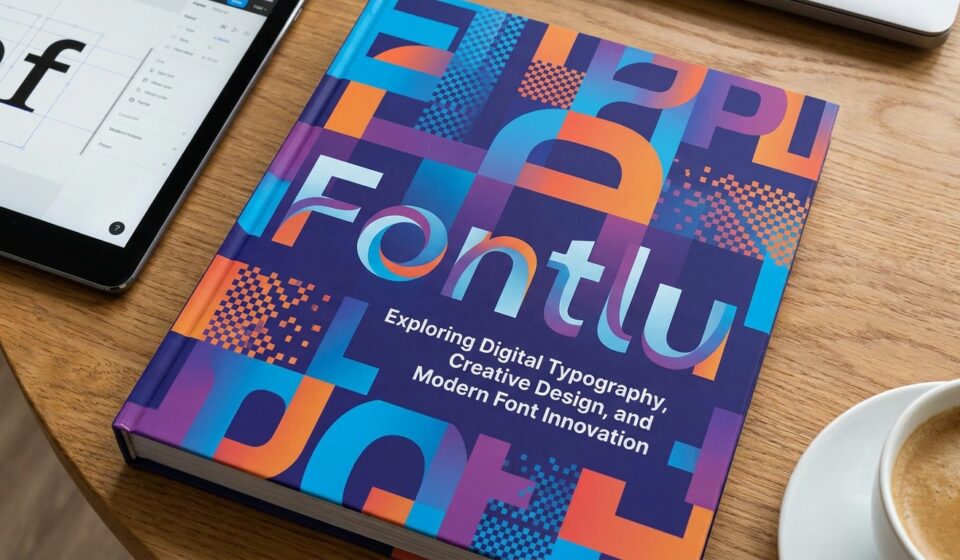

Fontlu represents the evolving world of digital typography, creative design systems, and modern visual communication. In today’s digital era, typography plays a crucial role in branding, web design, advertising, publishing, and user experience. Fonts are no longer simply tools for displaying text. They are powerful design elements that influence readability, emotional perception, and visual identity.
As digital communication continues expanding across websites, mobile applications, social media, and online platforms, typography has become more important than ever. Fontlu symbolizes the intersection of creativity, technology, and communication, where modern font systems shape how information is presented and understood.
The Importance of Typography in Communication
Typography is the art and technique of arranging text to make written language clear, attractive, and visually engaging. Good typography improves readability while also creating emotional and aesthetic impact.
Different fonts communicate different moods and messages. Professional brands often use typography strategically to establish trust, creativity, elegance, or innovation.
Fontlu reflects the growing influence of typography in shaping digital communication and visual storytelling.
History and Evolution of Fonts
Typography has evolved significantly over centuries. Early printing methods relied on handcrafted typefaces created for books and printed documents.
With the invention of digital technology, typography moved from physical printing presses to computer-based design systems. Designers gained the ability to create scalable, editable, and customizable fonts for digital environments.
Fontlu symbolizes the transformation of typography from traditional print design to advanced digital creativity.
Digital Design and Modern Typography
Modern graphic design heavily depends on typography. Websites, advertisements, logos, applications, and multimedia content all use fonts to create visual structure and communication flow.
Typography helps organize information, guide user attention, and establish visual hierarchy.
Fontlu reflects the essential role of fonts in modern digital design systems.
Serif and Sans-Serif Typography
Typography includes different categories of fonts designed for various purposes. Serif fonts contain small decorative strokes at the ends of letters and are often associated with tradition and readability.
Sans-serif fonts have cleaner and simpler structures, making them popular for digital interfaces and modern branding.
Fontlu symbolizes the diversity of font styles used across digital and print communication.
Typography and Brand Identity
Brand identity depends heavily on typography. Companies carefully select fonts that align with their personality, audience, and values.
Luxury brands may use elegant typography, while technology companies often prefer modern and minimalist font styles.
Fontlu reflects how typography contributes to visual branding and audience perception.
User Experience and Readability
Typography directly affects user experience on websites and digital platforms. Poor font choices can reduce readability and make content difficult to navigate.
Designers consider spacing, alignment, font size, and contrast to improve accessibility and usability.
Fontlu symbolizes the connection between typography and effective user-centered design.
Web Fonts and Responsive Design
The growth of web development has increased the importance of responsive typography. Fonts must adapt to different screen sizes, devices, and operating systems.
Web font technologies allow designers to maintain visual consistency across platforms while improving loading performance.
Fontlu reflects the role of adaptive typography in modern web design.
Creative Typography in Digital Art
Typography is also widely used in digital art and creative media. Designers experiment with shapes, animations, colors, and layouts to create visually unique text-based artwork.
Motion graphics and interactive typography are increasingly common in digital advertising and entertainment.
Fontlu symbolizes the artistic possibilities of modern typographic design.
Typography and Mobile Applications
Mobile applications rely heavily on clear and efficient typography. Limited screen space requires designers to prioritize readability and simplicity.
Modern app interfaces use scalable fonts that maintain clarity across devices.
Fontlu reflects the importance of typography in mobile-first digital experiences.
Artificial Intelligence in Font Design
Artificial intelligence is beginning to influence typography and font creation. AI tools can generate custom fonts, optimize readability, and assist designers in creating unique typographic styles.
Machine learning systems also analyze user preferences to improve design recommendations.
Fontlu symbolizes the integration of intelligent technology into creative typography systems.
Accessibility and Inclusive Design
Inclusive typography ensures that digital content is accessible to people with visual impairments and reading difficulties.
Designers use clear fonts, proper spacing, and high contrast to improve accessibility.
Fontlu reflects the growing importance of universal design principles in digital communication.
Typography in Social Media and Marketing
Social media marketing relies heavily on typography to capture attention and communicate messages quickly.
Bold fonts, creative layouts, and visually engaging text designs help brands stand out in crowded digital environments.
Fontlu symbolizes the impact of typography in modern online marketing and social media communication.
Custom Fonts and Personalization
Many businesses and creators now develop custom fonts to strengthen brand uniqueness and creative identity.
Personalized typography allows companies to create recognizable visual experiences that differentiate them from competitors.
Fontlu reflects the trend toward customization in modern design culture.
Challenges in Digital Typography
Despite technological progress, typography design faces challenges such as maintaining readability across devices, balancing creativity with functionality, and ensuring compatibility with different systems.
Designers must also consider performance optimization and multilingual support.
Fontlu highlights the complexity of modern typographic systems and digital design standards.
The Future of Typography
The future of typography is expected to involve greater interactivity, animation, and intelligent customization.
Variable fonts, immersive digital environments, and AI-assisted design tools may redefine how typography functions in digital communication.
Fontlu symbolizes the future evolution of typography in increasingly connected and visual digital ecosystems.
Typography and Emotional Impact
Fonts can influence emotional responses and audience perception. Rounded fonts may feel friendly and approachable, while bold geometric fonts can communicate strength and innovation.
Designers use typography strategically to support storytelling and emotional engagement.
Fontlu reflects the psychological influence of typography in communication and branding.
Education and Typography Skills
Typography is an essential part of graphic design education and digital creativity training.
Students learn principles of composition, spacing, visual hierarchy, and font pairing to create effective communication systems.
Fontlu symbolizes the educational value of typography in modern creative industries.
Conclusion
Fontlu represents the evolving world of digital typography, visual communication, and creative design innovation. It reflects how fonts have become essential tools for branding, user experience, artistic expression, and digital interaction.
From responsive web typography and AI-generated fonts to accessible design and social media marketing, typography continues shaping the modern digital landscape.
As technology and creativity continue advancing together, Fontlu symbolizes the future of intelligent, adaptive, and visually engaging typography systems that enhance communication across global digital platforms.