
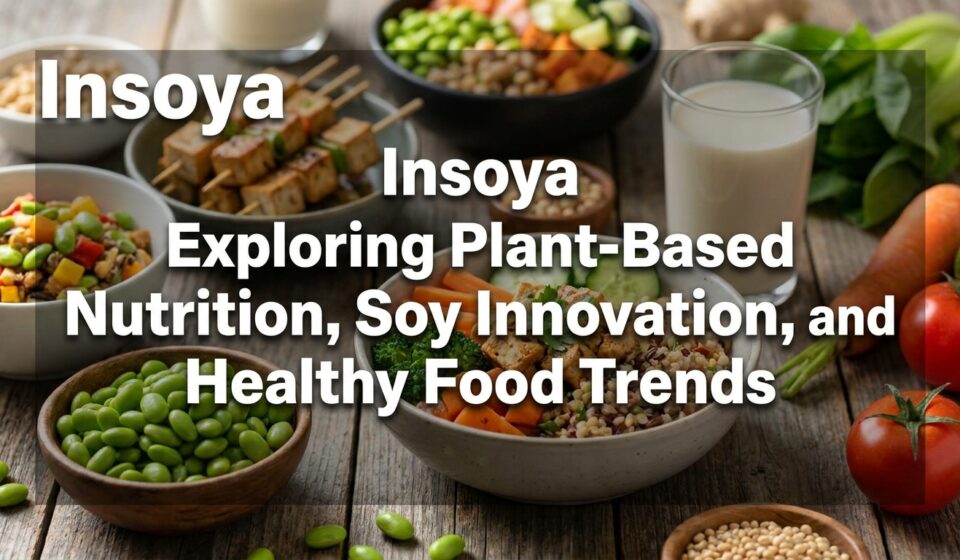

Insoya is a modern concept often associated with plant-based nutrition, soy-derived products, and the growing global interest in healthier and more sustainable food choices. While the term is not tied to a single established brand or scientific definition, it can be understood as a symbolic representation of soy-based innovation and the shift toward alternative protein sources in contemporary diets.
In today’s world, where health awareness, environmental concerns, and dietary preferences are rapidly evolving, concepts like Insoya reflect the increasing importance of plant-based foods. Soy, in particular, has become a key ingredient in vegetarian, vegan, and flexitarian diets due to its high protein content and nutritional value.
The Meaning of Insoya in Modern Nutrition
Insoya can be interpreted as a representation of soy-focused nutrition systems that promote healthier eating habits. Soybeans are one of the most versatile crops in the world, used in products such as tofu, soy milk, soy protein, and various meat alternatives.
The concept highlights how soy has transitioned from a traditional food ingredient in Asian cuisine to a global nutritional solution. Insoya reflects this transformation by symbolizing innovation in plant-based food development.
It also represents a broader shift in consumer behavior toward foods that are both nutritious and environmentally sustainable.
Nutritional Benefits of Soy-Based Foods
Soy is widely recognized for its rich nutritional profile. It contains high-quality plant protein, essential amino acids, fiber, vitamins, and minerals. Because of this, soy-based foods are often used as alternatives to animal protein.
One of the key benefits of soy is its ability to support muscle growth and overall health while being lower in saturated fat compared to many animal-based products. Soy also contains compounds called isoflavones, which are associated with various health benefits.
Insoya, as a concept, emphasizes these nutritional advantages and promotes soy as a core element of balanced diets.
Plant-Based Diets and Global Food Trends
In recent years, plant-based diets have gained significant popularity worldwide. People are increasingly reducing their consumption of meat and dairy products due to health, environmental, and ethical concerns.
This shift has led to the growth of vegan and vegetarian lifestyles, as well as flexitarian diets that include mostly plant-based foods with occasional animal products.
Insoya fits into this global trend by representing soy as a central ingredient in plant-based nutrition systems. It highlights how soy products are helping people transition toward healthier and more sustainable eating habits.
Soy and Sustainable Food Production
Sustainability is one of the most important factors driving the popularity of soy-based foods. Compared to animal agriculture, soy production generally requires fewer natural resources such as water and land.
It also produces lower greenhouse gas emissions, making it a more environmentally friendly protein source. However, sustainable farming practices are essential to ensure that soy production does not negatively impact ecosystems.
Insoya represents this balance between nutrition and environmental responsibility, emphasizing the role of soy in sustainable food systems.
The Rise of Meat Alternatives
One of the most significant developments in modern food technology is the rise of meat alternatives. These products are designed to replicate the taste, texture, and nutritional value of meat using plant-based ingredients such as soy, peas, and wheat protein.
Soy-based meat alternatives have become especially popular due to their versatility and high protein content. Products like soy burgers, soy sausages, and textured soy protein are now widely available in global markets.
Insoya reflects this innovation in food science, where traditional animal-based products are being replaced or supplemented by plant-based alternatives.
Insoya and Health Conscious Consumers
Health-conscious consumers are increasingly paying attention to the ingredients and nutritional value of their food. Many people are choosing plant-based options to reduce cholesterol intake, improve heart health, and manage weight.
Soy-based foods are often recommended as part of a balanced diet because they provide essential nutrients without excessive saturated fat. However, moderation and variety are important in any dietary plan.
Insoya represents this growing awareness of nutrition and the demand for healthier food choices in modern society.
Cultural Significance of Soy Foods
Soy has a long cultural history, especially in Asian countries where it has been consumed for thousands of years. Traditional foods such as tofu, miso, tempeh, and soy sauce are deeply rooted in culinary traditions.
As globalization increases, these foods have become popular in Western countries as well. This cultural exchange has contributed to the rise of soy-based diets worldwide.
Insoya reflects this cultural blending, where traditional ingredients are adapted into modern global food systems.
Food Innovation and Technology
Advancements in food technology have played a major role in the development of soy-based products. Techniques such as fermentation, extrusion, and protein isolation allow manufacturers to create high-quality plant-based foods.
These innovations have improved the taste, texture, and nutritional value of soy products, making them more appealing to a wider audience.
Insoya symbolizes this intersection of science and nutrition, where technology is used to enhance plant-based food production.
Environmental Impact of Dietary Choices
Food production has a significant impact on the environment, particularly in terms of land use, water consumption, and greenhouse gas emissions. Animal agriculture is one of the largest contributors to environmental degradation.
Plant-based foods, including soy products, generally have a lower environmental footprint. This makes them an important part of strategies aimed at reducing climate change effects.
Insoya highlights the connection between dietary choices and environmental sustainability, encouraging more responsible consumption patterns.
Challenges in Soy Consumption
Despite its benefits, soy consumption also faces certain challenges and debates. Some concerns include allergies, genetic modification, and the environmental impact of large-scale soy farming.
It is important to approach soy consumption with balance and awareness, ensuring that products are sourced responsibly and consumed as part of a varied diet.
Insoya acknowledges these challenges while still emphasizing the positive role of soy in global nutrition.
The Future of Plant-Based Nutrition
The future of food is expected to be heavily influenced by plant-based innovation. As populations grow and environmental pressures increase, the demand for sustainable protein sources will continue to rise.
Soy is likely to remain a key ingredient in this transformation due to its nutritional value and versatility. New technologies will continue to improve plant-based food quality and accessibility.
Insoya represents this future-focused vision of nutrition, where health and sustainability are closely connected.
Insoya in Global Food Markets
The global food industry is rapidly expanding its plant-based product offerings. Supermarkets, restaurants, and food brands are increasingly introducing soy-based alternatives to meet consumer demand.
This growth is supported by rising awareness of health and environmental issues, as well as improvements in product quality.
Insoya reflects this market evolution, where soy-based nutrition plays a central role in shaping modern diets.
Individual Lifestyle Choices and Nutrition
Individual dietary choices have a significant impact on both personal health and global sustainability. By choosing plant-based foods, individuals can contribute to reduced environmental impact while improving their own well-being.
Insoya represents this idea of conscious eating, where food choices are guided by both health and environmental awareness.
Small lifestyle changes, such as incorporating more soy-based meals, can contribute to long-term benefits.
Conclusion
Insoya is a conceptual representation of soy-based nutrition and the global shift toward plant-based diets. It reflects the growing importance of health, sustainability, and innovation in modern food systems.
From meat alternatives and nutritional benefits to environmental impact and cultural significance, soy plays a vital role in shaping the future of food.
As the world continues to move toward more sustainable and health-conscious lifestyles, Insoya symbolizes the connection between food innovation and responsible living.